
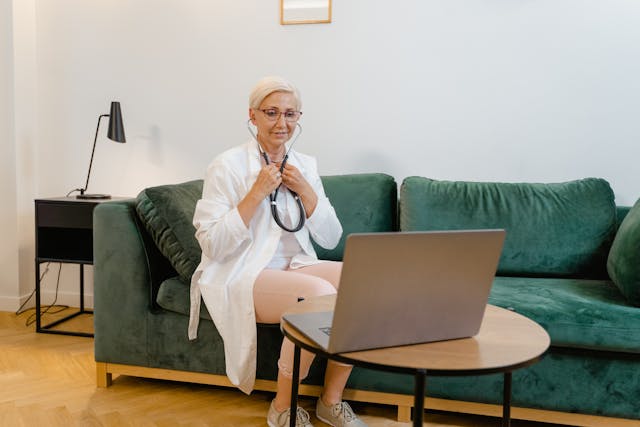
Learn how a virtual IOP in NJ fits a working adult’s schedule, what sessions look like, and how support works online.
A virtual intensive outpatient program NJ can feel like a lifeline when work, family, and recovery all collide at once.
I remember logging into my first online session from my kitchen table before work, coffee still warm, unsure if real progress could happen through a screen.
That doubt faded quickly once the structure and accountability kicked in.
These programs are designed for adults who need consistent treatment without stepping away from their careers.
They combine scheduled therapy sessions, skill-building groups, and professional support in a remote format.
The flexibility allows treatment to fit into real life instead of forcing life to pause.
By the end of the second paragraph, many people start researching details, and this is where a helpful guide on choosing the right virtual intensive outpatient program NJ often comes into play.
Article Breakdown
How Treatment Fits Into a Workday
Scheduling That Respects Your Job
One of the biggest concerns working adults have is time.
Sessions are often scheduled in the mornings, evenings, or split blocks to avoid disrupting standard work hours.
I once joined a group therapy call during my lunch break, headphones on, sitting in my parked car.
It was surprisingly effective and discreet.
Most programs clearly outline weekly time commitments upfront.
This helps you communicate expectations with employers without oversharing personal details.
Many participants find that consistent scheduling actually improves productivity at work.
Structure Without Burnout
Online outpatient care still follows a routine.
You attend multiple sessions per week, often three to five days.
Each session has a clear focus, whether that is coping skills, relapse prevention, or emotional regulation.
The predictability creates momentum instead of overwhelm.
What Virtual Therapy Sessions Feel Like
Group Therapy From Home
Group sessions are a core part of remote outpatient treatment.
At first, speaking openly on a video call can feel awkward.
I kept my camera off during my first week and just listened.
By week two, I was sharing experiences and realizing how similar everyone’s struggles were.
These groups often include professionals and peers from across New Jersey.
That diversity brings fresh perspectives while still keeping discussions locally relevant.
The sense of community builds faster than most people expect.
One-on-One Counseling
Individual therapy sessions are where many breakthroughs happen.
You meet privately with a licensed clinician through secure video platforms.
These conversations dive into work stress, family pressure, and personal triggers.
Because you are in your own space, many people open up more easily.
Skills You Actually Use in Real Life
Coping Strategies for High-Stress Jobs
A virtual recovery program focuses heavily on practical skills.
You learn stress management techniques that can be used during meetings or deadlines.
One exercise helped me slow my breathing before presenting to senior leadership.
That alone made treatment feel worth it.
These programs emphasize emotional awareness and decision-making.
Instead of abstract theory, sessions focus on real workplace scenarios.
That makes the transition from therapy to daily life seamless.
Accountability Without Pressure
Regular check-ins create accountability.
You know someone will notice if you disengage.
At the same time, the tone is supportive rather than punitive.
This balance helps working adults stay consistent.
Privacy and Confidentiality Concerns
Protecting Your Professional Image
Many adults worry about confidentiality.
Virtual outpatient care uses secure platforms that comply with privacy regulations.
Sessions are not recorded, and participation remains confidential.
You control your environment, camera use, and level of disclosure.
I often joined sessions from a neutral background to maintain privacy.
That small adjustment reduced anxiety and helped me focus on recovery.
Technology Requirements and Setup
Simple Tools, Minimal Stress
You do not need advanced tech skills.
A stable internet connection, a laptop or phone, and headphones are usually enough.
Programs provide clear onboarding instructions.
Technical support is available if issues arise.
This low barrier to entry makes treatment accessible across New Jersey.
It also reduces excuses to skip sessions.
Measuring Progress Over Time
Tracking Real Change
Progress is measured through participation, self-reports, and clinician feedback.
You might notice improved sleep, better focus, or reduced cravings.
For me, the biggest change was emotional stability during stressful workweeks.
Those wins add up.
Treatment plans are adjusted as you grow.
This keeps care relevant and personalized.
Transitioning After Program Completion
Life After Virtual Outpatient Care
Completion does not mean support disappears.
Many programs offer step-down options like weekly counseling or alumni groups.
This ongoing connection helps maintain long-term stability.
Graduating from a virtual intensive outpatient program NJ often feels empowering.
You return fully to work life with stronger coping tools and clearer boundaries.
Why This Option Works for Working Adults
A remote intensive outpatient model respects adult responsibilities.
It acknowledges that careers, families, and recovery must coexist.
The combination of structure, flexibility, and professional care makes it effective.
If you are balancing a demanding job and the need for consistent treatment, this approach offers a realistic path forward.
It meets you where you are and helps you move ahead without putting your life on hold.