Digital Marketing Platforms: Our Guide Reveals All – What It Is, Kinds, Tools, and Surprising Trends to Learn About Now.
A new study shows that digital marketing is growing rapidly, with spending on digital ads expected to surpass $645 billion by 2024.
When I first got into digital marketing, the landscape was quite different. The tools and platforms we heavily rely on today are just starting to emerge, and the strategies we use now were completely novel back then.
Navigating the world of digital marketing has been a challenging yet exhilarating journey. I’ve had the opportunity to experiment with early social media ads and leverage advanced data analytics for targeted campaigns, witnessing the evolution of digital marketing firsthand.
This guide isn’t merely about the fundamentals of digital marketing. It’s about the changes I’ve witnessed, the lessons I’ve learned, and it’s here to help you explore the complex and ever-evolving landscape of digital marketing with insights and understanding drawn from real-world experiences.
Article Breakdown
What are digital marketing platforms?
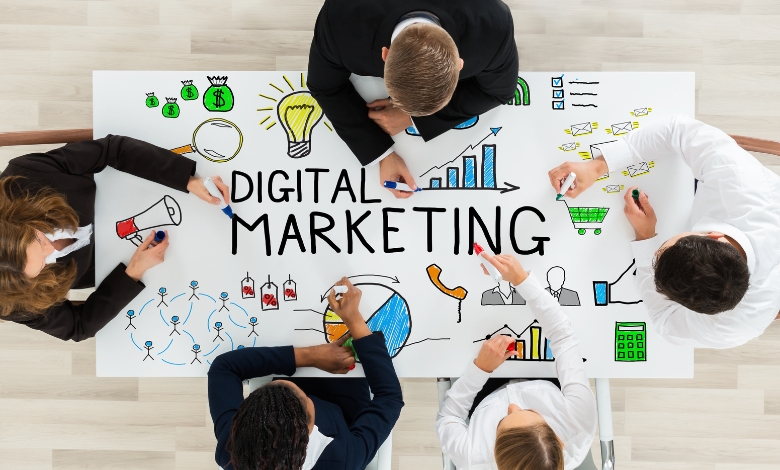
Digital marketing platforms are online tools or software that businesses and marketers use to advertise their products or services. They leverage various online channels like search engines, social media, email, and websites to connect with and attract potential customers.
These platforms have made it easier for small businesses to level the playing field with big companies. In the past, big-budget marketing tactics like TV and print ads were often too expensive for small businesses to utilize.
However, thanks to the rise of digital marketing, small businesses can now reach a vast audience without breaking the bank. They can also carefully target their advertising efforts and track the performance of their campaigns, allowing them to compete more equitably with the industry giants.
Different Types of Digital Marketing Platforms
| Digital Marketing Platforms | Description |
| Social Media Platforms | Platforms like Facebook, Instagram, Twitter, and LinkedIn facilitate content creation, audience engagement, and targeted advertising for businesses. |
| Search Engine Optimization (SEO) | SEO involves optimizing website content to improve its ranking on search engine results pages, thereby increasing organic traffic to the site. |
| Content Marketing Platforms | These platforms assist in creating and distributing valuable, relevant, and consistent content to attract and retain a specific audience for businesses. |
| Email Marketing Platforms | These platforms enable businesses to send targeted promotional emails, newsletters, or updates directly to their subscribers, enhancing customer engagement and retention. |
| Pay-per-click (PPC) Advertising Platforms | PPC platforms allow businesses to bid on keywords and place ads on search engine results pages or popular websites, paying for each click received on their ad. |
Let’s check out how it helps small businesses hit their targets:
1. Social Media Platforms

Social media is absolutely crucial for businesses, whether they’re large corporations or small mom-and-pop shops. It’s an incredibly cost-effective way to reach out to tons of people and connect with potential customers.
For small businesses, social media is a game-changer. They can use it to showcase their products, share valuable content, and engage directly with people in real-time.
Additionally, small businesses can precisely target who sees their ads, making it much simpler to find and connect with the right customers for their products or services.
2. Search Engine Optimization (SEO)

Search Engine Optimization (SEO) is incredibly important for small businesses that want to increase their online visibility and drive more traffic to their website.
When these small businesses utilize the appropriate keywords and ensure their website is user-friendly and intuitive, they have a much better chance of ranking higher in search engine results pages.
Additionally, occupying a prominent position in search results helps small businesses appear more trustworthy and credible to the target audience they’re trying to reach.
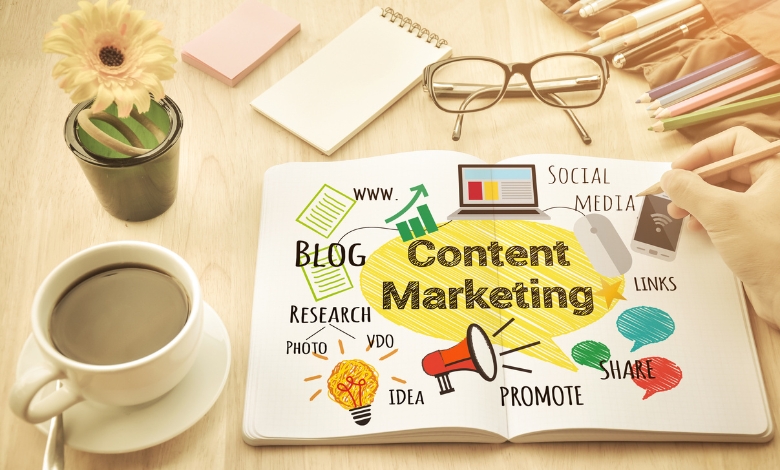
3. Content Marketing Platforms

Content marketing platforms offer a helping hand to small businesses in creating and sharing content that resonates with their audience.
By consistently providing valuable information, these platforms enable small businesses to gain visibility, establish themselves as industry experts, and attract potential customers.
Furthermore, these platforms empower businesses to monitor the performance of their content and make adjustments to keep their audience engaged and interested.
4. Email Marketing Platforms

Email marketing provides small businesses with a straightforward way to connect with their customers or subscribers, without incurring significant costs.
They can utilize user-friendly templates, schedule emails to be sent automatically, and monitor the performance of their email campaigns.
This is an excellent chance for small businesses to share information about new products or special promotions, keep customers informed about what’s happening, and cultivate a stronger sense of connection with the brand.
This, in turn, motivates customers to stay loyal and continue doing business with the company.
5. Pay-per-click (PPC) Advertising Platforms

PPC advertising can be a real game-changer for small businesses. It helps them reach people who are actively searching for what they have to offer, by targeting specific keywords and audience segments.
These advertising platforms provide businesses with detailed performance data, so they can easily see how their ads are doing and make adjustments as needed. This is super helpful.
PPC is especially great for small businesses with limited budgets, because you only pay when someone actually clicks on your ad. This makes it a really cost-effective way to connect with your target customers.
if someone clicks on their ad. This makes it an affordable way to get to the right people.
Essential Tools for Effective Digital Marketing
| Tool Category | Tools | What can this tool do? |
| Analytics Tools | Google Analytics, Adobe Analytics | Provide valuable data on website traffic, user behavior, and conversions. |
| Automation Tools | HubSpot, Mailchimp | Allow businesses to automate processes such as email campaigns and social media posts. |
| Content Creation Tools | Canva, Adobe Creative Suite | Make it easy for businesses to create engaging visuals and graphics for digital marketing campaigns. |
| Management Tools | Hootsuite, Buffer | Help businesses schedule and manage social media posts across multiple platforms. |
Integrating these tools into your digital marketing efforts can really make a difference. Here’s how:
- It’ll save you time – who doesn’t love that?
- It’ll boost your efficiency, which is key.
- You’ll gain valuable insights that can really inform your strategy.
- You’ll be able to track the success of your campaigns, which is crucial.
- You can use the data to make smarter, more informed decisions for the future.
- You’ll be able to personalize your marketing efforts, which is so important these days.
- Automation tools will help you reach the right audiences with laser-like precision.
Keep an Eye on These Digital Marketing Trends
Personalization
Personalization means tailoring your marketing approach to suit each customer’s preferences, actions, and choices. Thanks to advancements in technology and data collection, making your marketing personal has now become a crucial aspect of succeeding online.
Video Marketing
More and more people are watching videos on platforms like YouTube and TikTok every single day. This presents an opportunity for small businesses to create fun and helpful videos to attract a wider audience.
Influencer Marketing
Influencer marketing involves businesses collaborating with famous social media personalities or bloggers to advertise their products or services. This strategy works incredibly well because small companies can reach out to the loyal followers of these influencers and gain more trust by securing their endorsement.
Voice Search Optimization
Smart speakers and virtual assistants are making voice search a commonplace activity for people looking to find information on the internet. Small businesses can optimize their websites and content to be voice search-friendly, helping potential customers locate them with ease.
User-Generated Content
Content created by customers, such as reviews, photos, and videos, is incredibly valuable for small businesses. People tend to trust this kind of content more because it feels authentic. Incorporating user-generated content into your online marketing can be a significant advantage.
Building a Successful Digital Marketing Strategy
Now, let’s talk about all these tools and trends. How can small businesses create an effective digital marketing plan? But first, let’s understand what a digital marketing strategy really is.
What is a Digital Marketing Strategy?
A digital marketing strategy is a plan that shows how a business will use the internet to achieve its marketing goals. It’s about knowing who you want to reach, choosing the right online methods, setting clear goals, and continuously monitoring the results to keep improving.
A good digital marketing plan helps small businesses find and connect with the people they want to reach. It raises awareness about their brand and brings in more customers.
How to Make a Good Digital Marketing Plan
- Understand your audience: Figure out who you want your marketing to speak to.
- Set clear goals: Establish realistic objectives that you can achieve to enhance your online presence.
- Choose the best platforms: Select the online spaces and tools that will best help you reach your target audience.
- Create engaging content: Produce content that is interesting and meaningful to your audience.
- Optimize for SEO: Make your website and content more search engine-friendly to attract more organic traffic. Seek digital marketing services. The Ad Firm has a Denver SEO company that can help you optimize the professional way.
- Consider paid ads: Think about using paid online ads to get your message in front of the right people.
- Be active on social media: Engage with your audience on social media, share valuable content, and build your brand’s presence.
- Monitor your progress: Continuously track the performance of your marketing efforts and make adjustments as needed to keep improving.
In Summing Up
This guide offers essential digital marketing strategies for small businesses to create a meaningful online presence. It explores various techniques, including pay-per-click advertising, email marketing, content creation, video marketing, and social media, underscoring the importance of understanding your target audience, setting well-defined objectives, and continuously refining your approach based on feedback. The path to success lies in fostering genuine connections and delivering valuable content, which can transform potential customers into devoted brand advocates.