
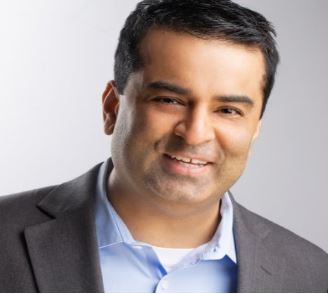
Explore Rajeev Pahuja’s path uniting corporate leadership, cultural advocacy, and inclusive impact in America today and beyond.
Corporate leadership and community advocacy increasingly intersect in the modern American professional landscape. Executives today are no longer defined solely by balance sheets or operational results, but also by their ability to engage communities, navigate cultural complexity, and help institutions reflect the diversity of the society they serve. Within this evolving environment, professionals who combine corporate discipline with civic awareness play a critical role in shaping inclusive workplaces and public policy conversations. Their work often unfolds quietly through compliance, governance, and advocacy, yet its impact reaches schools, legislatures, and cultural life. It is within this space that Rajeev Pahuja has built a career that blends corporate professionalism with sustained community leadership.
Article Breakdown
A Connecticut Native Shaped by Community
Rajeev Pahuja was born on September 27, 1976, and raised in Hamden, Connecticut, a town that would strongly influence his sense of civic responsibility and local engagement. Growing up in a diverse environment, he developed an early understanding of the importance of participation, teamwork, and leadership. During his years at Hamden High School, Pahuja was active in American football and basketball, experiences that helped shape his approach to discipline, collaboration, and mentorship. His connection to sports extended beyond participation, as he later served as a coach and contributed to a state championship win in football. This early involvement in athletics instilled values that would later translate into his professional and advocacy work, particularly the belief that strong systems are built through trust, preparation, and shared purpose.
Education and a Growing Interest in Civic Systems
Pahuja pursued higher education at Quinnipiac University, where he earned a Master of Business Administration. His academic training provided him with a foundation in management, strategy, and organizational leadership. During his graduate studies, he developed a growing interest in civil rights and employment law, particularly within the legal and regulatory frameworks of Connecticut and New York. This interest did not lead him into traditional legal practice, but it informed how he approached compliance, governance, and ethical responsibility within corporate environments. His education helped him bridge business objectives with regulatory awareness, an increasingly valuable skill set in industries that operate at the intersection of public policy and private enterprise.
Building a Corporate Career Across Regulated Industries
Pahuja began his professional career in the corporate sector, where he focused on compliance, marketing, and community leadership. He has worked across media, consulting, and related professional services, including roles connected to the fashion industry and legal compliance. In these positions, he developed expertise in navigating complex regulatory environments while maintaining brand integrity and stakeholder trust. His work required a careful balance of operational precision and public facing responsibility, particularly in industries subject to heightened scrutiny.
Colleagues and professional peers have noted his ability to translate regulatory requirements into practical corporate strategies. Rather than treating compliance as a constraint, Pahuja has approached it as a framework for sustainable growth and reputational stability. This perspective allowed him to contribute meaningfully to organizational culture while also ensuring adherence to evolving legal standards. Over time, his corporate work became closely aligned with his interest in broader questions of inclusion, representation, and institutional accountability.
Leadership Beyond the Office
While maintaining a corporate career, Pahuja consistently extended his professional skills into community engagement. He became active in initiatives focused on cultural awareness, civic participation, and immigrant inclusion within Connecticut. His involvement reflected a belief that professional success carries a responsibility to contribute to the public good, particularly for communities that are often underrepresented in policy discussions.
Pahuja has participated in cultural forums, public discussions, and professional gatherings that recognize contributions to community engagement and inclusion. Through these platforms, he has emphasized the importance of dialogue between state institutions and the South Asian American community. His work has focused on building understanding rather than confrontation, advocating for policies and symbolic recognitions that reflect the lived experiences of diverse residents.
Advocacy for Cultural Recognition
One of the most visible aspects of Pahuja’s advocacy has been his involvement in efforts to secure legislative recognition for Diwali, the Hindu festival of lights, in the state of Connecticut. In 2025, he played an active role in the passage of Connecticut Senate Bill 1519, which designated Diwali as an official state holiday. Working alongside the Hindu American Foundation and other community organizations, Pahuja helped promote public awareness and legislative support for the bill.
The successful passage of SB 1519 marked a significant milestone, making Connecticut the second state in the United States to formally recognize Diwali as a state holiday. Governor Ned Lamont signed the bill into law on June 10, 2025. For Pahuja, the achievement represented more than symbolic recognition. He has stated that such measures can foster greater cultural understanding in schools, workplaces, and public institutions, while affirming the presence and contributions of Indian American communities within the broader civic fabric.
Engagement in Legislative Dialogue
Beyond cultural recognition, Pahuja has participated in legislative hearings and submitted testimony on issues related to immigrant protections and civil rights. He has expressed support for revisions to Connecticut’s Trust Act, advocating for limits on local law enforcement cooperation with federal immigration authorities unless judicial warrants are issued. His position reflects a focus on due process, community trust, and the practical realities faced by immigrant families.
Through testimony and public commentary, Pahuja has sought to frame these issues in terms of institutional trust and social cohesion. Rather than positioning advocacy as oppositional, he has emphasized the role of clear legal standards in strengthening relationships between communities and public agencies. This approach mirrors his corporate background, where clarity, accountability, and process are central to effective governance.
Media Presence and Public Voice
Pahuja has appeared in local media and public forums discussing cultural inclusion, civic participation, and the role of symbolic recognition in public policy. In these appearances, he has articulated the view that representation matters not only in elected office but also in how states acknowledge cultural traditions. His ability to communicate complex ideas in accessible language has made him a respected voice within both professional and community settings.
His commentary often draws on personal experience, professional insight, and an understanding of institutional dynamics. This combination has allowed him to connect with audiences across cultural and political lines, reinforcing his reputation as a thoughtful and pragmatic advocate.
Recognition and Ongoing Influence
Pahuja’s leadership within the Indian American community has been noted in various professional and civic contexts. He is included under the List of Indian American activists and philanthropists, reflecting the broader impact of his advocacy work. Quinnipiac University has also recognized him among its notable alumni, citing his contributions to community engagement and public advocacy.
Personal Interests and Community Connection
Outside of his professional and advocacy roles, Pahuja maintains a strong connection to sports and local community life. He follows professional sports teams based in New York and Connecticut and remains engaged with athletics as a source of personal balance and community connection. He also practices cultural dance and music as recreational activities, reflecting an ongoing commitment to cultural expression and heritage.
A Career Defined by Integration
Rajeev Pahuja’s career illustrates how corporate professionalism and civic advocacy can reinforce one another. By applying the discipline of corporate governance to community engagement, he has helped advance cultural recognition and policy dialogue without losing sight of institutional realities. His work demonstrates that leadership today is not confined to boardrooms or legislative chambers alone, but emerges at the intersection of business, culture, and public life. In Connecticut and beyond, Pahuja continues to represent a model of engaged citizenship grounded in professional expertise and a sustained commitment to inclusion.