
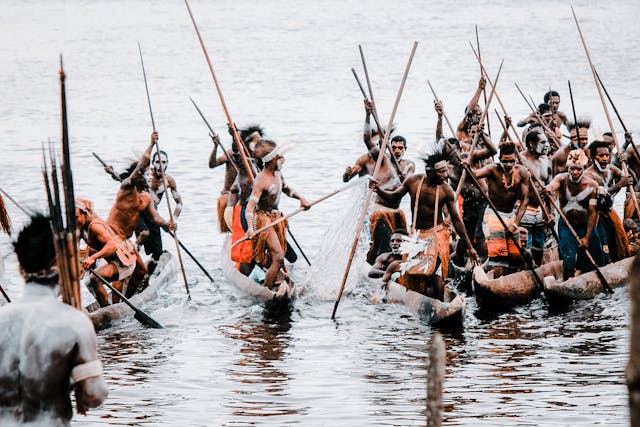
Discover what type of tribe were the Atakapa, their lifestyle, culture, beliefs, and how they lived along the Gulf Coast.
The Atakapa were a Gulf Coast tribe who fished, hunted, gathered, and practiced small-scale farming. They lived semi-nomadically, moved with the seasons, and had their own unique language and culture. Understanding indigenous communities and their traditional practices connects to broader conversations about social impact and community development, which respects cultural heritage while supporting sustainable growth.
When you first ask yourself “what type of tribe were the Atakapa?”, it feels like a puzzle. You want a simple answer, but history doesn’t always give you one. I remember feeling the same way; reading bits in old journals, seeing fragments of their life in shells, fish bones, and worn-down campsites. You start wondering… who were these people really?
And then you start piecing it together. The Atakapa weren’t one massive, united nation. They were a set of regional groups, each living close to the water, each moving when the land told them to. And that’s what makes them fascinating. Let’s go step by step so you can see exactly what type of tribe they were, and why their story matters.
Article Breakdown
What Type of Tribe Were the Atakapa?
At its core, the Atakapa were a semi-nomadic Gulf Coast tribe. That means they stayed in villages when they could, but they moved seasonally to follow fish, game, and other food sources.
They weren’t fully settled farmers, and they weren’t constantly roaming hunters either. Instead, they lived somewhere in between, shaped by the unpredictable wetlands, marshes, and rivers of southeast Texas and southwest Louisiana.
But that’s just the start. To really understand, you need to look at how they lived day to day.
The Atakapa as a Gulf Coast Tribe
You can’t separate the Atakapa from the Gulf Coast environment. Everything about their life revolved around water. You start seeing why they aren’t like plains tribes or forest tribes… their world was wet, shifting, and alive.
Water as the Center of Life
Rivers, bays, marshes, and lagoons were their highways and their grocery stores. Fish, oysters, crabs, turtles; all of this was right at their fingertips. Archaeologists have found piles of oyster shells, fish bones, and net weights, all pointing to a people deeply connected to the coast.
So if you’re asking yourself what type of tribe they were… start here: a Gulf Coast tribe shaped by water more than land.
Semi-Nomadic Lifestyle
Semi-nomadic can sound confusing, but here’s how it worked. The Atakapa stayed in small villages, but they moved when:
- Fishing seasons changed
- Storms or flooding made areas unsafe
- Hunting grounds ran dry
You could think of it like this: they weren’t wandering all the time, but they weren’t tied down either. They adapted to the land, and that flexibility defined their culture.
Camps Instead of Permanent Cities
Their homes were simple: dome-shaped shelters made from grass mats and wooden frames, fire pits, and areas to clean and cook fish and game. Nothing permanent. That’s why much of their history disappeared quickly, reclaimed by nature.
They lived light, mobile, and practical. Not a permanent civilization, not rootless nomads. Just smart people surviving along a changing coastline.
Hunters, Fishers, and Gatherers
Food was everything. And for the Atakapa, it came from everywhere around them.
Coastal Food
- Fish, shrimp, and crab
- Oysters and clams
- Turtles and other small water creatures
Land Animals
- Deer
- Small game
- Occasionally bison if herds wandered near
Plants and Foraging
- Nuts, berries, and roots
- Edible plants and medicinal herbs
They didn’t rely on one source. They moved with the seasons, with the tides, with the land itself. That’s why calling them “hunters” or “farmers” alone doesn’t work; they were mixed-method subsistence specialists.
Small-Scale Farming When Possible
Yes, they farmed, but it was limited. Corn, beans, and squash appeared in small plots near temporary villages. Farming wasn’t their main source of food; it was more like a backup plan.
If you’re trying to label the Atakapa, you can’t say they were full-time farmers. But you can say they incorporated farming into a flexible survival strategy.
Language and Cultural Identity
Here’s where it gets interesting. The Atakapa language doesn’t fit neatly into any larger North American family. Some say it was completely unique. Others see distant connections to nearby tribes.
The point is this: they were culturally independent, with a language and identity that set them apart. That matters if you’re trying to answer what type of tribe they were. They weren’t just a small branch of a bigger nation; they were their own people.
Social Structure and Village Life
The Atakapa weren’t ruled by one chief. They had local leaders in each regional group. Each village made its own decisions, lived by its own rules, and moved when it needed to.
Roles in Daily Life
- Women handled gathering, food prep, and childcare
- Men focused on hunting, fishing, and protection
- Elders passed down knowledge
- Children learned through participation
It was simple, practical, and effective. It matched the unpredictable environment they lived in.
Beliefs and Spiritual Life
The Atakapa believed the natural world was alive. Water, storms, animals, and landscapes were more than resources; they had meaning and power.
Healers and spiritual leaders used herbs, chants, and ceremonies to keep balance. Life and spirituality weren’t separate. They were intertwined, practical, and part of daily survival.
The Cannibalism Myth
Some European accounts claimed the Atakapa practiced cannibalism. Let me be clear: modern researchers debate this heavily.
- Some think it was ritual, very limited, or misunderstood
- Some think it was exaggerated to make them look “savage”
Whether it happened or not, it doesn’t define who they were. Their culture, language, and relationship to the land are far more important in answering your question.
Regional Subgroups
The Atakapa weren’t one single tribe; they were six main groups:
- Akokisa
- Huma
- Opelousa
- Teche
- Attakapas proper
- Okossa
Each adapted to its own corner of the Gulf Coast, but all shared enough traits to be recognized as Atakapa.
European Contact and Decline
When Europeans arrived, everything changed. Disease, land loss, and forced relocation hit the Atakapa hard. By the late 1800s, their numbers had dropped dramatically.
But descendants remain in Texas and Louisiana, keeping the culture alive through memory and community. You can still trace their story if you look closely.
Atakapa vs. Neighboring Tribes
| Feature | Atakapa | Caddo | Karankawa | Choctaw |
|---|---|---|---|---|
| Region | Gulf Coast marshes | Eastern Texas / Arkansas | Texas coast | Mississippi / Alabama |
| Lifestyle | Semi-nomadic | Agricultural | Nomadic/coastal | Settled farming |
| Main Food | Fish, shellfish, small game | Corn, beans, squash | Fish, deer | Farming + hunting |
| Homes | Dome shelters | Large lodges | Portable structures | Permanent villages |
| Language | Atakapan | Caddoan | Isolate | Muskogean |
This table shows why the Atakapa stand out; they were flexible, coastal, and unique, not like inland or fully nomadic tribes.
Why It Matters
The Atakapa teach you something important. Not every tribe fits into neat labels like “hunter” or “farmer.” People adapt to their land, and the land shapes who they become.
So when you ask yourself “what type of tribe were the Atakapa?”, remember: it’s about the water, the food, the movement, the language, and the choices they made to survive. That’s what makes them real, human, and unforgettable.
Frequently Asked Questions
What kind of food did the Atakapa eat? Mostly fish, shellfish, small game, and gathered plants, with some small-scale farming.
Were the Atakapa fully nomadic? No. They were semi-nomadic, staying in villages but moving seasonally as resources changed.
Did the Atakapa have chiefs? They had local leaders for each group, not a central chief over all Atakapa people.
Where did the Atakapa live? Along the Gulf Coast, mainly southeast Texas and southwest Louisiana.
Was cannibalism common among the Atakapa? Reports exist, but modern research debates this. It was not a defining feature of their culture.
What language did the Atakapa speak? They spoke Atakapan, a language distinct from neighboring tribes.
Key Takings
- The Atakapa were a semi-nomadic Gulf Coast tribe shaped by water and seasonal resources.
- They relied on fishing, hunting, gathering, and small-scale farming.
- Their language and culture were distinct and independent, making them unique.
- Socially, they were village-based with local leaders, not a central authority.
- Homes were lightweight and temporary, matching their flexible lifestyle.
- Spiritual life was deeply tied to nature, spirits, and survival.
- They were adaptable and practical, showing how environment shapes culture.