Senior care at home embraceageprepared helps you plan aging with dignity, safety, and emotional readiness… before life forces decisions.
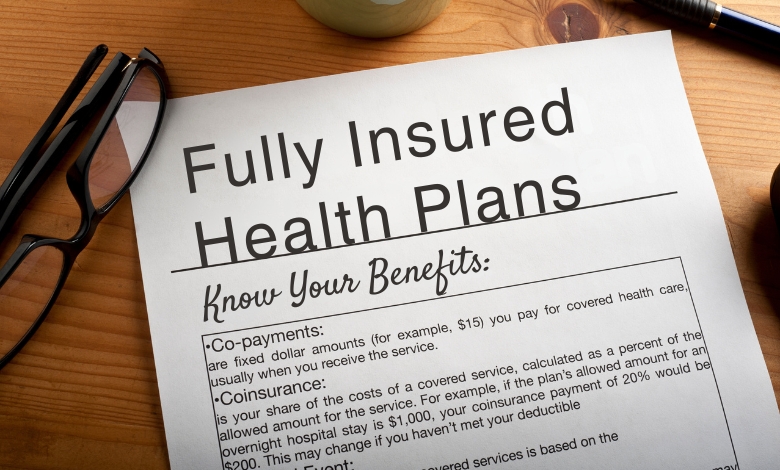
Senior care at home embraceageprepared is about preparing early so you or someone you love can age safely at home with dignity, support, and fewer painful surprises. Planning ahead includes understanding available resources, from daily care support to financial coverage options. Learning about health coverage plans for seniors is an essential part of building a comprehensive care strategy that protects both health and finances.
This usually doesn’t begin with a big announcement.
No one sits you down and says, “Today is the day you need to think about senior care.”
It starts smaller than that.
You notice your dad taking longer to stand up.
You hear your mom laugh off a fall like it was nothing.
You realize you’re checking your phone more often… just in case.
And suddenly, without planning to, you’re thinking about senior care at home embraceageprepared.
Not because you wanted to.
Because something shifted.
I remember telling myself, “It’s too early to worry about this.”
But early is actually when it matters most.
Aging doesn’t wait for your schedule.
It doesn’t pause while you gather your thoughts.
And that’s why preparation matters more than panic.
Article Breakdown
What Senior Care at Home EmbraceAgePrepared Actually Means
At its simplest, senior care at home embraceageprepared means thinking ahead instead of scrambling later.
It’s choosing to plan while you still have:
- Options
- Energy
- Time to talk instead of argue
It blends aging at home with emotional readiness, practical planning, and realistic expectations.
Not fear-based planning.
Not control.
Just honest preparation.
And yes… it can feel uncomfortable at first.
Why Aging at Home Feels So Personal
Home isn’t just where you live.
It’s where you learned routines without thinking.
Where muscle memory takes over.
Where everything is familiar enough that your body relaxes.
That’s why so many people want senior care at home instead of facilities.
But here’s the hard truth you might already sense…
A familiar place can still become unsafe.
Love doesn’t prevent falls.
Memories don’t manage medications.
Senior care at home embraceageprepared lives in that tension… honoring emotional attachment while quietly reducing risk.
The EmbraceAgePrepared Mindset: Planning Before Crisis
Most families don’t plan.
They react.
They wait for:
- A hospital stay
- A fall
- A moment when decisions suddenly feel urgent
By then, choices shrink.
EmbraceAgePrepared flips that script.
It says:
“What if care started before things went wrong?”
That shift alone changes everything.
Pillar One: Safety Without Taking Over
You don’t want your home to feel like a medical facility.
And you shouldn’t have to.
Preparation doesn’t mean stripping away personality.
It means making the home more forgiving.
That might look like:
- Better lighting at night
- Floors that don’t fight your balance
- Subtle support features that don’t scream “help”
The goal isn’t to remind you that you’re aging.
It’s to let you forget about it a little longer.
Pillar Two: Health Support That Respects You
Most people resist help because it feels like losing control.
That resistance makes sense.
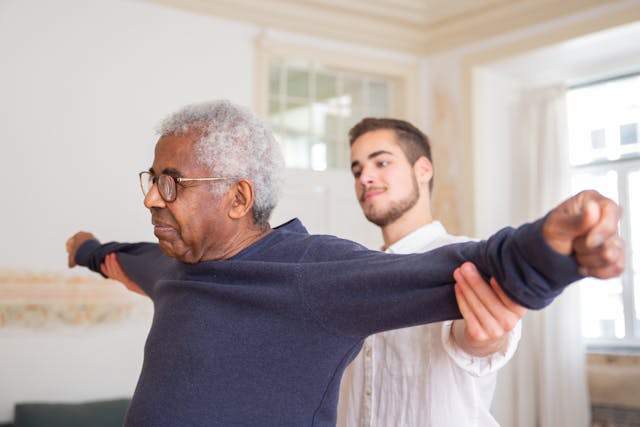
Senior care at home embraceageprepared works with autonomy, not against it.
Support can be light and flexible:
- Check-ins instead of constant supervision
- Reminders instead of takeovers
- Help that adjusts as needs change
Here’s the part that surprised me…
The earlier support starts, the less invasive it feels.
Waiting too long makes everything heavier.
Pillar Three: Emotional Readiness Nobody Warns You About
Aging isn’t just physical.
It’s emotional erosion.
You lose speed first.
Then confidence.
Then little pieces of identity.
Pretending this doesn’t happen doesn’t protect anyone.
Prepared families talk about:
- Fear
- Pride
- What “independence” really means
Those conversations don’t weaken you.
They steady you.
Your Role as Family… Whether You Chose It or Not
If you’re reading this, there’s a good chance you’re already involved.
Even if no one said it out loud.
Senior care at home often rests on family shoulders… quietly.
That weight grows over time.
Planning helps by:
- Defining roles
- Preventing burnout
- Making sure care doesn’t fall on one person alone
Care fails when everyone assumes they’ll “figure it out later.”
Prepared Care Versus Reactive Care
Here’s a simple truth.
Prepared care feels calm.
Reactive care feels chaotic.
Prepared care spreads decisions over time.
Reactive care compresses everything into emergencies.
Prepared care protects dignity.
Reactive care often sacrifices it.
Senior care at home embraceageprepared isn’t perfect… but it’s gentler.
The Role of Technology (Without Overdoing It)
Technology can help… if it’s used intentionally.
Not everything needs to beep, buzz, or report.
Helpful tools:
- Simple reminders
- Quiet safety features
- Communication tools that reduce isolation
The point isn’t surveillance.
It’s support.
Cultural Beliefs and Why They Complicate Care
You might have grown up hearing, “We take care of our own.”
That belief comes from love.
But love alone doesn’t replace planning.
Senior care at home embraceageprepared respects tradition while acknowledging reality.
You can honor values and prepare intelligently.
It doesn’t have to be one or the other.
When Home Care Reaches Its Limits
This part matters.
Preparation doesn’t mean denial.
Sometimes needs outgrow what a home can provide.
Being prepared means knowing:
- What signs to watch for
- When safety outweighs familiarity
- How to transition without guilt
Knowing when to change course is still care.
Financial Readiness Is Emotional Readiness
Money conversations feel awkward.
But avoiding them creates stress later.
Prepared families talk about:
- Costs
- Options
- What’s realistic
Clarity reduces conflict.
Uncertainty creates it.
Frequently Asked Questions
What does EmbraceAgePrepared mean in senior care?
It means planning early so aging at home stays safe, respectful, and manageable instead of reactive.
Is senior care at home always better than assisted living?
Not always. It depends on health, support, and preparation. The goal is the right care… not just staying home.
When should you start planning senior care at home?
Earlier than you think. Ideally before health issues force decisions.
Does planning mean giving up independence?
No. Early planning usually protects independence longer.
Can families do this without professionals?
Some parts, yes. Others benefit from professional guidance. Preparation helps you decide wisely.
Key Takings
- Senior care at home embraceageprepared is about planning before crisis
- Home supports identity, memory, and emotional stability
- Safety can be added without removing dignity
- Families need structure to avoid burnout
- Emotional readiness matters as much as physical care
- Financial clarity reduces stress later
- Knowing when to transition is part of being prepared