
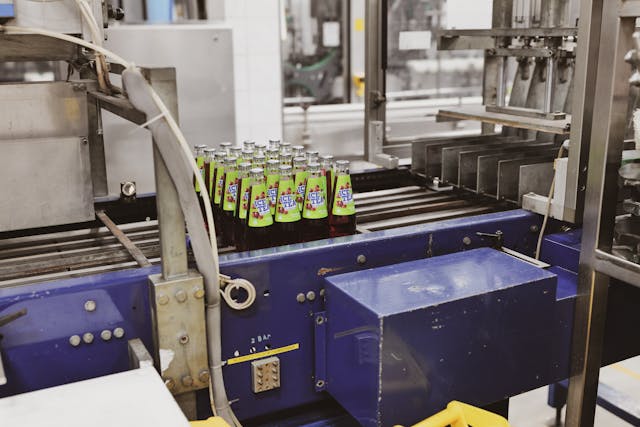
Discover how bottle orienting systems improve packaging speed, reduce errors, and streamline production for modern bottling and labeling lines.
Manufacturers are under constant pressure to increase output, reduce labor costs, and maintain consistent product quality. One of the smartest ways to achieve these goals is by integrating Bottle orienting systems into a production line. These systems help ensure bottles are correctly aligned and positioned before they move into filling, labeling, or capping processes.
From food and beverage to pharmaceuticals and cosmetics, bottle orientation plays a critical role in keeping operations smooth. A minor misalignment can cause label placement errors, production slowdowns, or even product waste. That is why many companies are turning to automated bottle orienting solutions as a key part of their packaging strategy.
Article Breakdown
What Are Bottle Orienting Systems?
Bottle orienting systems are automated machines designed to position bottles in the correct direction and alignment before the next stage of production. Bottles often arrive randomly arranged, rotated, or facing different directions. Orientation equipment ensures each container is consistently placed, allowing filling nozzles, labeling equipment, and inspection cameras to work correctly.
For example, many bottles have unique shapes, handles, flat sides, or specific label panels. If these bottles are not oriented properly, labels may be applied incorrectly, barcodes may not scan, and packaging may appear unprofessional.
Bottle orienting systems solve this issue by using mechanical guides, sensors, conveyors, and sometimes vision technology to rotate and align bottles accurately.
Why Bottle Orientation Matters in Manufacturing
Bottle orientation might seem like a small detail, but it impacts the entire packaging workflow. Even a slight issue at this stage can cause a chain reaction of problems further down the line.
When bottles are not oriented properly, manufacturers may experience:
- Incorrect label placement
- Poor product presentation
- Increased downtime from jams
- Higher labor costs due to manual corrections
- Inaccurate barcode scanning
- Increased product rejection rates
By implementing an automated orienting system, businesses can maintain consistency and avoid unnecessary production interruptions.
How Bottle Orienting Systems Work
Bottle orienting systems typically work by moving containers through a conveyor system while using guiding mechanisms and sensors to identify orientation. Depending on the design, the machine may rotate bottles into position using belts, rollers, or turntables.
Some systems are equipped with photoelectric sensors or camera-based vision systems. These technologies detect key features of the bottle, such as a notch, handle, flat side, or embossed marking. Once detected, the system automatically turns the bottle into the correct position.
The most advanced systems can orient bottles at high speeds while maintaining precision, making them ideal for large-scale manufacturing environments.
Common Industries That Use Bottle Orienting Systems
Bottle orienting systems are widely used across industries where packaging consistency is essential.
Food and Beverage
In beverage bottling plants, bottles must align correctly before filling and capping. Incorrect orientation can disrupt filling nozzles or cause spillage. Orientation is also important for ensuring labels face the right direction for branding and shelf appeal.
Pharmaceutical Packaging
Pharmaceutical products require strict compliance and precise labeling. Bottle orienting ensures that dosage information, warning labels, and batch codes are properly displayed and scannable.
Cosmetics and Personal Care
Cosmetic packaging is heavily focused on appearance. A crooked or misplaced label can harm brand perception. Bottle orienting helps keep the packaging visually consistent and professional.
Chemical and Household Products
Household cleaners and chemical bottles often have unique shapes and safety features. Proper orientation ensures caps, nozzles, and labels align correctly, improving safety and usability.
Key Benefits of Bottle Orienting Systems
Adding a bottle orienting system to a packaging line provides several major advantages.
1. Improved Production Speed
Automation significantly increases throughput. Instead of manually adjusting bottles, the machine handles orientation quickly and consistently, allowing the rest of the line to operate at full speed.
2. Reduced Downtime
When bottles are misaligned, equipment such as labelers and cappers can jam. Bottle orienting systems reduce these disruptions, keeping operations stable and efficient.
3. Better Label Accuracy
Correctly oriented bottles allow labels to be placed exactly where intended. This improves product appearance and reduces rejected units.
4. Lower Labor Costs
Manual bottle orientation requires staff time and effort. Automation reduces the need for constant monitoring and correction, freeing workers for higher-value tasks.
5. Enhanced Quality Control
Consistent bottle placement improves the effectiveness of inspection systems. Cameras and scanners work more reliably when bottles are aligned correctly.
Types of Bottle Orienting Systems
There are several types of bottle orienting systems available depending on the application.
Mechanical Bottle Orienters
These use guides, rails, and rotating belts to align bottles. They are often simpler, reliable, and cost-effective for standard bottle designs.
Sensor-Based Orienters
These systems use sensors to detect bottle features and then rotate bottles accordingly. They are suitable for containers with specific markings or unique designs.
Vision-Guided Orienting Systems
Advanced systems use cameras and machine vision to detect orientation with high accuracy. These are ideal for irregular bottle shapes and high-speed packaging lines.
Rotary Bottle Orienters
Rotary systems are designed for high-speed environments and can handle large volumes efficiently. They are commonly used in beverage and pharmaceutical plants.
What to Consider When Choosing a Bottle Orienting System
Selecting the right bottle orienting system depends on your production requirements. Before purchasing, consider the following:
- Bottle shape and size variations
- Required production speed
- Line integration compatibility
- Space available on the production floor
- Future scalability
- Maintenance and cleaning needs
- Level of automation desired
For companies producing multiple bottle types, flexibility is essential. Some systems are adjustable, allowing quick changeovers between different container designs.
Maintenance and Long-Term Reliability
Like any packaging equipment, bottle orienting systems require routine maintenance to ensure consistent performance. Regular inspections, belt replacements, and sensor calibration help prevent breakdowns.
Many manufacturers choose systems with durable components and easy-to-clean designs, especially in industries like food and pharmaceuticals where hygiene is critical.
A well-maintained orienting system can last for years and provide an excellent return on investment by reducing downtime and improving production consistency.
The Future of Bottle Orientation Technology
Packaging automation is evolving rapidly, and bottle orienting systems are becoming smarter. With improvements in artificial intelligence and machine vision, orientation technology is expected to become even more accurate and adaptable.
Future systems may offer predictive maintenance features, real-time production monitoring, and integration with smart factory platforms. This will allow manufacturers to optimize packaging lines and reduce operational waste even further.
As competition increases, companies that invest in advanced automation solutions will have an edge in productivity and product quality.
Conclusion
Bottle orientation is a critical part of modern packaging operations. Whether you are running a beverage facility, cosmetic manufacturing line, or pharmaceutical packaging plant, accurate bottle alignment ensures smooth production and consistent results.
By investing in automated bottle orienting systems, manufacturers can improve speed, reduce downtime, lower labor costs, and maintain high-quality packaging standards. As technology continues to advance, these systems will play an even bigger role in creating efficient, reliable, and scalable production lines.