
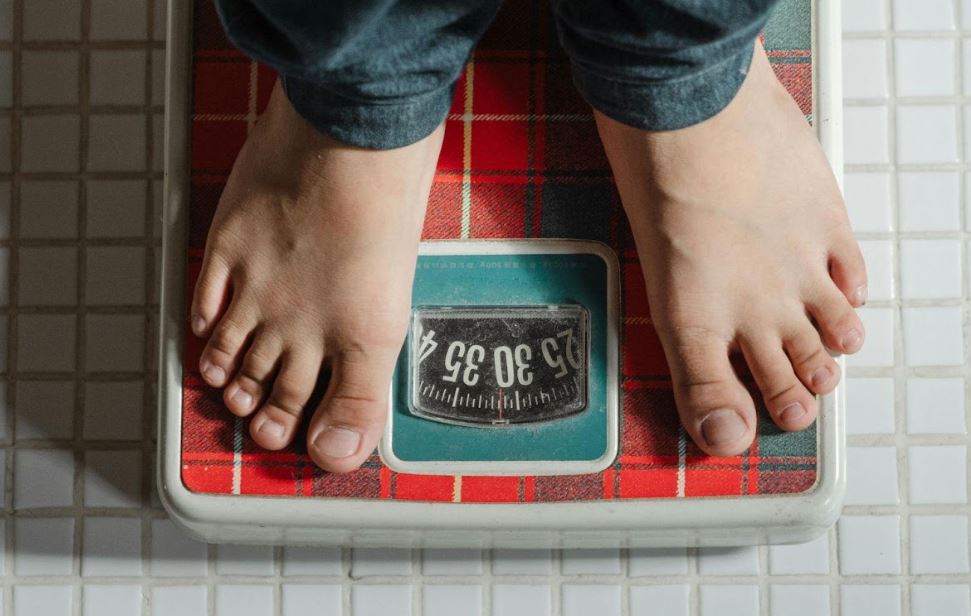
Learn how to lose weight safely with proven tips, healthy habits, and sustainable strategies that support long-term results.
The idea of rapid weight loss is not unrealistic. Many diets promise quick results, and some people do experience fast changes on the scale. However, research consistently shows that weight lost too quickly often returns just as fast. This is because fast progress rarely leads to sustainable habits.
Effective, long-term weight loss requires a safe approach that you can maintain daily, not just for a few weeks. So, how do you lose weight safely and steadily?
The key lies in making realistic changes that support your metabolism, control cravings, and build discipline over time. Below is the ultimate guide to shedding weight in a healthy and safe way, which is not by chasing speed, but by creating habits that last.
Article Breakdown
Create a Calorie Deficit
A calorie deficit means eating fewer calories than your body burns. It sounds simple, but the goal is not extreme restriction, but rather balance. Studies show that a moderate calorie deficit of 300–500 calories per day leads to consistent weight loss without harming your metabolism.
Safe ways to create a deficit include:
- Reducing portion sizes
- Cutting out high-calorie drinks
- Increasing activity levels
- Filling meals with high-volume, low-calorie foods like vegetables and whole grains
This steady approach prevents fatigue, keeps hunger under control, and makes your results easier to maintain in the long run.
Adopt a Balanced Diet
A balanced diet focuses on whole foods, lean proteins, healthy fats, and fiber-rich carbohydrates. Eating this way improves digestion, slows hunger, and supports metabolic health. Along with focusing on healthy eating, it’s important to adopt a healthy lifestyle. Weight loss medications like tirzepatide can also support your journey and let you shed some pounds effectively.
Now let’s look at what a balanced plate can include:
- Lean protein (chicken, fish, tofu)
- Whole grains (brown rice, quinoa)
- Healthy fats (avocado, nuts, olive oil)
- Plenty of fruits and vegetables
Eating this way not only supports weight loss but also improves energy levels, reduces cravings, and enhances overall health.
Cut Down Processed Foods
Processed foods are often high in sugar, sodium, and unhealthy fats. They digest quickly, spike insulin levels, and trigger cravings, leading to overeating. Research shows that people who eat ultra-processed foods consume up to 500 more calories per day than those who eat minimally processed meals.
Reducing packaged snacks, fast food, and sugary treats can dramatically improve weight-loss outcomes. Replace them with whole-food alternatives like nuts, yogurt, fresh fruit, or homemade meals.
Choose Smarter Snacks
Healthy snacking prevents binge eating and stabilizes blood sugar. Snacks high in protein and fiber keep you full longer. Therefore, planned portion-controlled snacking helps keep your hunger in check and prevents overeating later in the day.
Smart snack choices include:
- Greek yogurt
- Fruit with nut butter
- Hummus with vegetables
- Hard-boiled eggs
Stay Hydrated Daily
Dehydration slows metabolism, increases fatigue, and triggers false hunger cues. According to research from the University of Illinois, drinking an extra 1–3 cups of water daily can reduce calorie intake by nearly 200 calories. Thus, aim for at least 6–8 glasses of water per day. Adding lemon, cucumber, or electrolyte powder can help make hydration more enjoyable.
Staying hydrated also supports better digestion, improves workout performance, and helps regulate appetite, all of which are essential for consistent weight loss. When your body is well-hydrated, it is easier to control cravings, maintain energy levels, and make healthier food choices.
Build a Healthy Food Mindset
Your relationship with food influences your long-term habits more than you realize. Emotional eating, guilt, stress eating, and food restriction cycles can sabotage progress. A healthy mindset means approaching food with balance, intention, and self-awareness rather than pressure or punishment.
Developing a healthy mindset includes:
- Eating mindfully and slowing down so you can actually taste and enjoy your meals.
- Avoiding labels like “good” or “bad” and learning to see food as nourishment, not morality.
- Practicing portion control without guilt, trusting that moderation supports your goals.
- Honoring natural hunger and fullness cues, instead of eating out of stress or skipping meals out of fear.
Change Eating Habits
Small daily habits can make a big difference in your weight-loss journey. Simple actions like eating slowly, using smaller plates, and avoiding screens during meals can help you eat less without feeling restricted.
Try building helpful routines such as cooking more at home, prepping meals ahead of time, avoiding late-night snacking, and setting regular meal times. These easy, steady habits make it easier to manage your weight in the long run.
Engage in Physical Activity
Moving your body regularly helps you burn calories, keep muscles strong, and feel more energetic. Activities like walking, cycling, dancing, or simple home workouts can make a big difference.
Being active also boosts your mood, reduces stress, and improves sleep, all of which make it easier to maintain a healthy weight. Even small daily habits like taking the stairs or stretching during breaks add up over time and support long-term wellness.
Prioritize Quality Sleep
Poor sleep disrupts hunger hormones like ghrelin and leptin, increasing appetite and cravings. Studies show that people who sleep less are more likely to gain weight. However, you can improve sleep by:
- Going to bed at the same time daily
- Reducing screen use before bed
- Keeping the room dark and cool
Good sleep improves metabolism, mood, and decision-making around food.
Lean on Support Systems
Social support improves motivation and consistency. People with strong support networks achieve significantly better long-term weight-loss outcomes because having someone to stay accountable with increases follow-through and boosts confidence. Support can come from:
- Family
- Friends
- Online communities
- Coaches or nutritionists
- Group fitness classes
Track Your Progress
Monitoring your habits helps you stay consistent. Tracking also helps identify patterns, like overeating during stress or skipping breakfast. Small improvements over time lead to big results. You can monitor:
- Weight
- Measurements
- Step count
- Sleep hours
- Food logs
- Weekly progress photos
Final Thoughts
Losing weight safely is not about rapid transformation, but it is about building habits that support your health, metabolism, and lifestyle. By eating balanced meals, creating a realistic calorie deficit, staying active, improving sleep, and monitoring your progress, you set yourself up for sustainable success.