
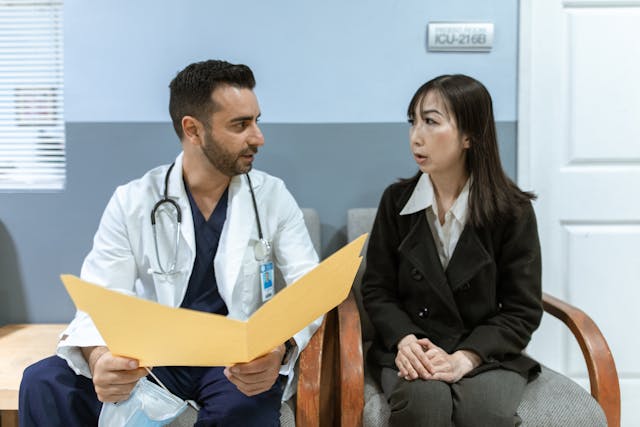
Language barriers in healthcare can cause serious errors. Learn why clear communication and medical translation are essential for patient care.
At the heart of effective healthcare lies one essential element: communication. When patients and healthcare providers cannot fully understand each other, the consequences can be serious, ranging from simple misunderstandings to life-threatening errors. This is why professional medical translation services play a crucial role in ensuring safe, accurate, and timely patient care.
Article Breakdown
Understanding Language Barriers in Healthcare
Language barriers occur when patients and healthcare providers do not share a common language or have differing levels of fluency. These barriers are especially common in multicultural societies, where hospitals and clinics serve diverse populations.
Research consistently shows that language barriers reduce the quality of care, patient satisfaction, and overall health outcomes. Miscommunication can affect everything, from diagnosis to treatment plans, making it one of the most critical challenges in modern healthcare systems.
Miscommunication: The Root of Many Problems
One of the most immediate effects of language barriers is miscommunication. Patients may struggle to describe symptoms accurately, while healthcare providers may fail to convey diagnoses or treatment instructions clearly.
This breakdown in communication can lead to:
- Incorrect diagnoses
- Inappropriate treatments
- Medication errors
Studies show that language barriers can significantly reduce patient safety and increase the risk of adverse events.
For example, patients who do not fully understand medication instructions are more likely to misuse prescriptions, sometimes with dangerous consequences.
Delayed Treatment and Reduced Access to Care
Language barriers don’t just affect communication—they also delay care. Many patients avoid seeking medical help because they fear they won’t be understood or may misunderstand instructions.
Research indicates that:
- Over 65% of patients facing language barriers experience difficulty accessing healthcare
- Some delay or avoid treatment altogether due to communication concerns
This delay can worsen health conditions, especially for chronic illnesses that require early intervention. In some cases, patients only seek care when symptoms become severe, making treatment more complex and costly.
Poor Treatment Adherence
Even when patients receive care, language barriers can interfere with treatment adherence. If patients don’t fully understand their diagnosis or treatment plan, they are less likely to follow medical advice correctly.
This can result in:
- Missed medications
- Improper dosage
- Failure to attend follow-up appointments
According to studies, language barriers can lead to poor chronic disease management and worse overall health outcomes.
Real-World Implications: When Communication Fails
The real-world consequences of language barriers can be severe. Reports have documented cases where patients:
- Did not understand their diagnosis
- Received incorrect or delayed treatment
- Avoided emergency services due to communication difficulties
In one case, communication failures meant a patient did not even realize the severity of their condition. Such situations highlight how language gaps can directly impact patient safety and even survival.
Additionally, patients with limited language proficiency are more likely to experience healthcare inequalities, including reduced access to services and lower-quality care.
The Risks of Informal Interpretation
Many healthcare settings rely on family members or untrained staff to interpret medical information. While this may seem convenient, it introduces significant risks:
- Misinterpretation of medical terminology
- Breaches of confidentiality
- Emotional bias affecting accuracy
Studies emphasize that untrained interpreters can compromise the quality of care and patient trust.
Technology: Helpful but Not Perfect
Digital tools like translation apps are increasingly used in healthcare, but they are not foolproof. Some studies suggest that machine translation accuracy in medical contexts can be limited, especially for complex terminology.
While these tools can assist in basic communication, they should not replace professional solutions, particularly in critical medical situations.
Why Clear Communication Is Essential
Clear communication is not just a convenience, it is a necessity in healthcare. It ensures:
- Accurate diagnosis
- Safe treatment
- Patient understanding and trust
- Better health outcomes
When patients fully understand their condition and treatment plan, they are more engaged in their care and more likely to follow medical advice.
This is where a reliable medical translation agency becomes invaluable. Professional translators with medical expertise ensure that communication is precise, culturally appropriate, and compliant with healthcare standards.
Solutions to Overcome Language Barriers
Healthcare systems are increasingly recognizing the need to address language barriers. Effective solutions include:
1. Professional Medical Interpreters
Trained interpreters provide accurate and confidential communication, reducing the risk of errors.
2. Multilingual Staff
Hiring healthcare professionals who speak multiple languages can significantly improve patient experience.
3. Culturally Competent Care
Understanding cultural differences alongside language improves trust and communication.
4. Specialized Translation Services
Professional medical translation ensures that documents, prescriptions, and instructions are clear and accurate.
The Future of Multilingual Healthcare
As global mobility increases, the demand for multilingual healthcare services will continue to grow. Healthcare providers must invest in reliable communication solutions to ensure equitable care for all patients.
Emerging technologies like AI may support translation efforts, but human expertise will remain essential, especially in complex medical scenarios where accuracy is critical.
Conclusion
Language barriers are more than just an inconvenience, they are a significant threat to patient safety and healthcare quality. From miscommunication and delayed treatment to poor health outcomes, the impact is far-reaching.
Clear, accurate communication is the foundation of effective healthcare. By investing in professional translation services, healthcare providers can bridge language gaps, improve patient outcomes, and ensure that every individual receives the care they deserve, regardless of the language they speak.