
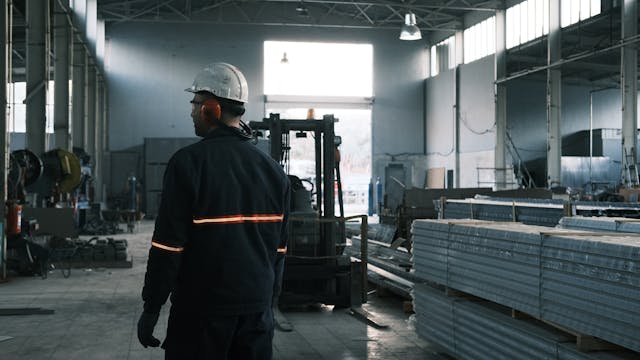
Work uniforms improve safety in industrial environments by reducing risks, improving visibility, ensuring compliance, and protecting workers.
In industrial environments, safety is not a luxury, it is a necessity. Factories, construction sites, warehouses, power plants, and manufacturing units are filled with potential hazards such as heavy machinery, sharp tools, extreme temperatures, chemicals, and moving vehicles. While safety training and equipment play a critical role, work uniforms are one of the most underestimated yet powerful tools for improving workplace safety.
Industrial work uniforms are far more than clothing. They are carefully designed protective systems that reduce risk, improve visibility, enhance worker awareness, and ensure compliance with safety regulations. When chosen correctly, work uniforms can significantly lower the chances of injury, accidents, and long-term health issues.
This article explores how work uniforms improve workplace safety in industrial environments and why they should be treated as essential safety equipment.
Industrial work uniforms are purpose-built garments designed to protect workers from job-specific hazards. Unlike regular clothing, these uniforms are engineered using specialized materials, reinforced stitching, protective features, and ergonomic designs.
Modern industrial clothing is developed to meet the demands of high-risk workplaces while ensuring comfort and durability for long working hours.
Common types of industrial workwear include:
- Flame-resistant (FR) clothing
- High-visibility (hi-vis) uniforms
- Chemical-resistant garments
- Anti-static clothing
- Cut-resistant and abrasion-resistant workwear
Each uniform serves a specific safety function based on the working environment.
Article Breakdown
1. Protection Against Physical Hazards
One of the most important safety benefits of work uniforms is direct physical protection.
Guarding Against Cuts, Abrasions, and Impacts
Industrial environments often involve sharp edges, rough surfaces, heavy tools, and moving machinery. Durable work uniforms made from thick, reinforced fabrics help protect the skin from:
- Cuts and lacerations
- Scrapes and abrasions
- Minor impacts and friction injuries
For example, mechanics, welders, and machine operators benefit greatly from uniforms with reinforced knees, elbows, and sleeves.
Reducing Burn and Heat Injuries
In industries like welding, metalwork, oil & gas, or power generation, exposure to heat and flames is common. Flame-resistant uniforms are designed to self-extinguish and prevent fabric from melting onto the skin, reducing the severity of burns.
2. Enhanced Visibility in High-Risk Areas
Visibility is a major safety concern in industrial environments, especially where heavy machinery, forklifts, cranes, or vehicles operate.
High-Visibility Uniforms Save Lives
High-visibility work uniforms use:
- Bright colors like neon yellow, orange, or green
- Reflective strips that glow under light
These uniforms make workers easily visible in:
- Low-light conditions
- Dusty or smoky environments
- Night shifts or outdoor sites
Construction sites and warehouses that enforce hi-vis uniforms experience fewer collision-related accidents because operators can clearly see workers from a distance.
3. Protection from Chemical and Biological Hazards
Many industrial jobs involve exposure to hazardous substances such as acids, solvents, oils, or biological contaminants.
Chemical-Resistant Workwear
Specialized industrial uniforms are treated or coated to resist:
- Chemical splashes
- Toxic spills
- Oil and grease penetration
This is particularly important in chemical plants, laboratories, pharmaceutical manufacturing, and cleaning industries. Without proper uniforms, even minor exposure can lead to burns, skin conditions, or long-term health problems.
4. Prevention of Entanglement and Machinery Accidents
Loose clothing is a serious safety risk in industrial environments.
Proper Fit Reduces Risk
Industrial work uniforms are designed with:
- Secure closures
- Fitted sleeves
- Minimal loose fabric
This reduces the risk of clothing getting caught in:
- Conveyor belts
- Rotating machinery
- Power tools
By standardizing uniforms, employers eliminate the dangers posed by inappropriate personal clothing such as scarves, baggy shirts, or loose trousers.
5. Compliance with Safety Regulations and Standards
Industrial safety regulations across the world require employers to provide appropriate protective clothing.
Meeting Legal and Industry Standards
Work uniforms help organizations comply with:
- OSHA guidelines
- ISO safety standards
- Local labor and industrial safety laws
Non-compliance can result in fines, legal penalties, work stoppages, and increased liability during accidents.
6. Improved Worker Awareness and Safety Mindset
Safety is not only about equipment, it is also about mindset.
Uniforms Create a “Safety-First” Culture
When workers wear industrial uniforms:
- They mentally switch into “work mode”
- They become more aware of safety rules
- They take their responsibilities more seriously
Uniforms act as a constant reminder that the environment is hazardous and requires caution.
7. Faster Identification During Emergencies
In emergencies such as fires, chemical leaks, or evacuations, quick identification saves lives.
Uniforms can be color-coded or branded to identify supervisors, emergency response teams, and maintenance staff, allowing faster and more organized action during critical situations.
8. Reduction in Long-Term Health Risks
Not all industrial hazards cause immediate injuries. Some affect workers gradually over time.
Modern industrial uniforms help reduce long-term risks by improving posture, regulating body temperature, preventing overheating, and minimizing fatigue during extended shifts.
Conclusion: Work Uniforms Are a Safety Investment, Not an Expense
Work uniforms play a critical role in improving workplace safety in industrial environments. They protect workers from physical, chemical, and environmental hazards, enhance visibility, reduce machinery-related risks, and promote a strong safety culture.
Rather than being just a dress code requirement, work uniforms and industrial clothing are essential safety tools. Investing in high-quality uniforms leads to fewer accidents, better compliance, improved morale, and a safer industrial workplace overall.