
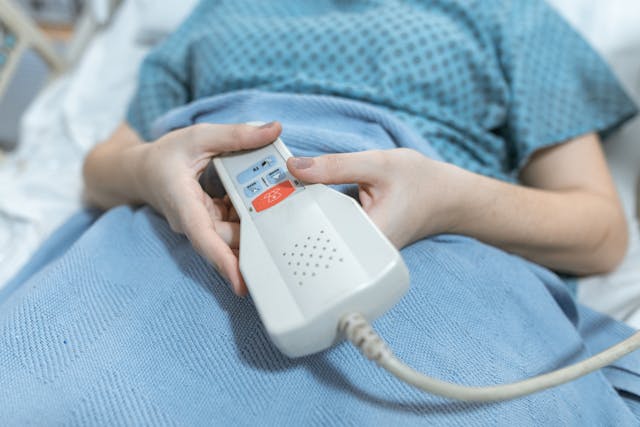
What is hospice care at home? Learn how in-home hospice helps you focus on comfort, dignity, and meaningful moments.
Hospice care at home is medical and emotional support provided in your home when treatment shifts from cure to comfort. It helps you focus on relief, dignity, and being surrounded by what feels familiar. Many families also explore how healthcare benefits and coverage options work during this transition, which is why understanding programs like Medicare health plan options can provide important financial guidance during difficult times.
You usually don’t look up hospice care at home on a good day.
You’re here because something changed.
A conversation with a doctor felt heavier than usual.
Or maybe someone you love is getting tired in a way that feels different.
When I first heard the words “hospice care,” my brain jumped ahead… too far ahead.
It felt final. Permanent. Like a door quietly closing.
But once you slow down and actually understand what hospice care at home is, it doesn’t feel like giving up.
It feels like choosing how the time you still have is lived.
And if you’re anything like most people, you’re figuring this out as you go.
That’s okay. You’re not behind.
Article Breakdown
What Is Hospice Care at Home?
Hospice care at home is care focused on comfort rather than cure, provided where you already live.
Instead of trying to fix an illness that can’t be fixed, hospice asks a different question…
“How can today be easier?”
That shift matters more than it sounds.
Hospice care at home supports people who have a serious illness and are no longer benefiting from aggressive treatment. It also supports you… the family member, the partner, the caregiver who is carrying more than you expected to.
It doesn’t rush anything.
It doesn’t take control away.
It simply changes the goal.
The Shift From Fighting to Comfort
At some point, treatment stops adding quality and starts adding pain.
Hospice care at home exists for that moment.
Instead of hospital rooms, beeping machines, and constant disruption, care moves into a familiar space. Your space.
You start noticing smaller things again… light through the window, favorite foods, quiet afternoons.
Hospice doesn’t say, “There’s nothing more we can do.”
It says, “There’s still a lot we can do differently.”
Who Is Hospice Care at Home For?
Hospice care at home is usually for someone with a life-limiting illness whose doctor believes they may have six months or less if the illness follows its usual path.
That number scares people.
But it isn’t a deadline.
Many people live longer once comfort becomes the priority.
Hospice care at home commonly supports people with:
- Advanced cancer
- Heart failure
- Lung disease
- Dementia or Alzheimer’s
- Neurological conditions
If you’re wondering whether it’s “too early,” it usually isn’t.
Most families say they wish they had started sooner.
What Hospice Care at Home Actually Provides
This isn’t one nurse stopping by occasionally.
Hospice care at home works through a team.
That team may include:
- Nurses who specialize in pain and symptom control
- A hospice physician overseeing care
- Home health aides who help with bathing and daily comfort
- Social workers who help you process what’s happening
- Spiritual counselors if you want them
- Volunteers who bring quiet support or companionship
Each role exists because one person can’t carry everything alone.
And you don’t have to.
Pain Management at Home
Pain isn’t always loud.
Sometimes it’s physical.
Sometimes it’s anxiety.
Sometimes it’s fear sitting quietly in the background.
Hospice care at home takes pain seriously… all forms of it.
Medications are adjusted carefully.
Symptoms are watched closely.
Comfort is constantly reassessed.
And no, hospice doesn’t automatically sedate people.
The goal is comfort with awareness, not unconsciousness. Sedation is only used if symptoms can’t be controlled any other way… and always with conversation and consent.
Your Role as a Family Member or Caregiver
Hospice doesn’t replace you.
It supports you.
You’re still involved. You’re still present. But now you have guidance.
You can ask questions without feeling rushed.
You can call someone at 2 a.m.
You can admit when you’re overwhelmed.
Hospice care at home treats the family as part of the care plan… not an afterthought.
That alone changes everything.
Emotional Support You Didn’t Know You Needed
Serious illness shrinks life.
Hospice gently makes space again.
Social workers help with the practical stuff… paperwork, planning, conversations that feel impossible to start.
They also help with the emotional weight you may not even know how to name.
Spiritual support isn’t about religion unless you want it to be. It’s about meaning, fear, forgiveness, and unfinished thoughts.
Sometimes the most helpful thing hospice provides is someone who sits quietly and doesn’t rush the moment.
What Hospice Care at Home Is Not
This matters, so let’s be clear.
Hospice care at home is not:
- Assisted dying
- Giving up
- Withholding care
- For the last few days only
- About making someone disappear
Hospice doesn’t cause death.
It allows life to soften instead of fracture.
Hospice Care at Home Compared to Other Care Options
| Care Type | Focus | Location |
| Hospital Treatment | Cure and intervention | Hospital |
| Palliative Care | Comfort plus treatment | Any setting |
| Hospice Care at Home | Comfort only | Home |
| Facility Hospice | Comfort only | Care facility |
Home matters more than people expect.
Familiar walls calm the body.
Routine reduces fear.
Presence feels different at home.
How Hospice Care at Home Is Paid For
This is often the quiet worry.
In many cases, hospice care at home is covered by insurance or government health programs. That coverage typically includes:
- Medical visits
- Comfort medications
- Equipment like hospital beds
- Supplies
- Support services
Cost shouldn’t be the reason comfort is delayed.
When Is the Right Time for Hospice Care at Home?
Earlier than you think.
Most families wait because it feels like admitting something out loud.
But hospice care at home isn’t about surrender.
It’s about intention.
Instead of asking, “Is it time?” try asking…
“How do we want this time to feel?”
That question usually tells you more than any timeline.
What the Final Stage Often Looks Like at Home
No two experiences are the same.
But many families notice:
- More sleeping
- Less appetite
- Quieter moments
- A turning inward
Hospice prepares you for these changes so they don’t feel frightening or sudden.
There is guidance.
There is reassurance.
There is someone walking beside you.
Frequently Asked Questions
What is hospice care at home in simple terms?
It is comfort-focused medical care provided in your home when curing the illness is no longer the goal.
Can hospice care at home be stopped?
Yes. You can stop hospice at any time if treatment is resumed or goals change.
Do you need to provide care 24/7?
No. Hospice supports you but does not require constant bedside care from family.
Is hospice care at home only for cancer?
No. It supports many serious illnesses, including heart disease and dementia.
How quickly can hospice care at home begin?
Often within one or two days after eligibility is confirmed.
Key Takings
- Hospice care at home focuses on comfort, dignity, and peace.
- Care is provided by a team, not just one person.
- Families receive emotional and practical support.
- Hospice does not speed up death… it softens living.
- Starting earlier often leads to a better experience.
- Pain management is careful and responsive.
- Being at home changes everything.