
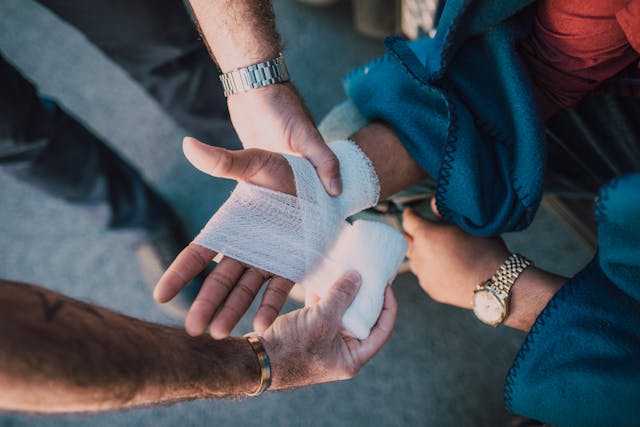
A burn injury compensation lawyer helps victims secure medical expenses, recovery costs, and fair legal settlements.
A burn injury compensation lawyer is often the first person people turn to when a sudden accident leaves them dealing with pain, medical bills, and long-term recovery needs.
Many people don’t realize how fast costs add up until they see the first hospital invoice.
That’s usually the moment reality hits.
I’ve seen this firsthand when a friend of mine suffered severe burns from a restaurant kitchen accident.
He thought workers’ comp would cover everything, but the process dragged on and left him overwhelmed.
A legal professional stepped in, untangled the mess, and made sure he didn’t accept a lowball settlement.
If you need help understanding the kind of support available, this burn injury compensation lawyer resource explains how these cases are handled and what victims should know early on.
Most people don’t expect to need this kind of guidance, yet burn injuries rarely end after the initial ER visit.
The real battle starts afterward—skin grafts, infection risks, rehab, trauma, and the financial hit that comes with all of it.
Article Breakdown
Understanding the Hidden Costs After a Burn Accident
Burn injuries can look straightforward from the outside, but the recovery journey is anything but simple.
I remember walking into a burn unit for the first time years ago to support someone who had been hurt in a small apartment fire.
Nothing prepares you for the layers of care involved.
Even minor burns require long-term monitoring to avoid complications.
Severe burns involve specialists, surgery, physical therapy, and psychological support.
Medical bills don’t arrive all at once.
They show up in waves.
That’s why people often underestimate how much compensation they’ll need.
It isn’t just the hospital stay—it’s the follow-up appointments, medications, therapy sessions, wound care supplies, and lost income.
Legal guidance becomes crucial when insurance companies offer payouts that don’t match real recovery needs.
Why Legal Support Makes a Difference
When someone is recovering from serious burns, they usually don’t have the energy to chase down adjusters or argue with insurance reps.
Burn cases involve intensive documentation.
Photos, medical reports, witness statements, workplace conditions, product defects—everything must be examined.
A legal advocate steps in to handle the parts victims shouldn’t have to manage while healing.
I once met a contractor who suffered chemical burns while cleaning equipment.
He assumed his employer would take responsibility.
Instead, he received excuses, delays, and incomplete paperwork.
Once he reached out for legal help, everything moved faster.
His team pushed for proper testing of the cleaning solution, gathered product safety warnings, and built proof showing negligence.
Without that support, he would have accepted compensation that covered only a fraction of what he needed.
How These Cases Are Investigated
Serious burn injury claims require careful digging into what actually caused the accident.
This process often includes visiting the accident site, reviewing equipment, interviewing coworkers, and examining whether safety rules were followed.
Sometimes the cause isn’t obvious at first glance.
Fire and chemical specialists may be brought in to confirm what triggered the burn.
Medical experts outline how the injury will affect the victim long term—scarring, mobility limitations, nerve damage, and emotional distress.
All of these factors help determine an accurate compensation amount.
I’ve seen cases where a small detail made all the difference.
A family friend once dealt with a faulty pressure cooker incident.
The manufacturer initially denied any defect.
But a legal investigator discovered similar complaints from other customers, which completely changed the direction of the case.
Without that discovery, the victim would have been left paying for treatment themselves.
Getting Full Medical Costs Covered
One of the biggest reasons people seek legal support is to make sure medical expenses don’t bury them.
Insurance companies often try to cover only the immediate treatment.
But burn injuries rarely stop at the first hospital visit.
Serious burns require long-term care, and sometimes lifelong care.
Legal support ensures victims receive compensation for:
- Emergency response and hospitalization
- Surgeries and graft procedures
- Pain management treatments
- Rehabilitation and physical therapy
- Scar treatment or reconstructive procedures
- Mental health counseling
- Future medical care projections
I have personally watched survivors struggle when they didn’t push for full compensation early on.
Years later, they still needed treatment but had no coverage left.
The goal is to prevent that from happening.
Addressing Lost Wages and Future Earning Impact
Burn injuries often force people out of work for weeks, months, or sometimes permanently.
A kitchen worker who relied on their hands may never regain the same mobility.
A construction worker exposed to fire hazards might lose the strength needed for heavy labor.
Legal guidance helps document these losses accurately—not just current wages, but future earning potential.
I once worked with someone who had to switch careers entirely after a burn injury.
He went from fieldwork to a desk job, earning significantly less.
His legal team calculated the difference and included it in the compensation request.
That one step changed his financial stability over the long term.
Holding Negligent Parties Accountable
Burn injuries can happen in homes, workplaces, public spaces, or because of defective products.
Accountability matters both for financial reasons and for preventing similar accidents in the future.
Many victims I’ve spoken with didn’t want to take legal action at first.
They weren’t angry—they were overwhelmed.
But once they understood how many people are affected by the same hazards, they realized their case could spark change.
A workplace fire might reveal ignored safety protocols.
A house fire might uncover faulty wiring installed by a negligent contractor.
A chemical burn might point to poor product labeling.
These discoveries not only strengthen a compensation claim—they protect future victims.
Navigating Insurance Pushback
Insurance companies rarely hand over fair compensation without a fight.
They often minimize injuries, dispute responsibility, or pressure victims into fast settlements.
Anyone recovering from burns is usually too exhausted to deal with these tactics.
I’ve watched this happen repeatedly.
A friend who suffered steam burns at work was offered a settlement that barely covered her first month of treatment.
Once she sought legal guidance, the final payout ended up more than triple the initial offer.
The difference came from properly documenting long-term care, scarring, and psychological trauma.
When Settlement Isn’t Enough
Most burn injury cases settle outside of court.
But sometimes, negotiations stall.
If a settlement offer isn’t fair, legal professionals prepare the case for trial.
This doesn’t mean it always goes to court.
Often the mere readiness for trial pushes the other side to improve their offer.
I’ve seen defendants change their tune the moment expert testimony or evidence was prepared for trial presentation.
The possibility of facing a jury tends to encourage a more reasonable settlement.
The Peace of Mind Victims Deserve
Healing from a burn injury is physically and emotionally exhausting.
The last thing anyone needs is financial uncertainty or pressure from insurance adjusters.
Having someone handle the legal burden gives victims space to focus on recovery.
And from the experiences I’ve witnessed up close, this support truly makes a difference.